The Great White Shark (Carcharodon carcharias)
Characteristics
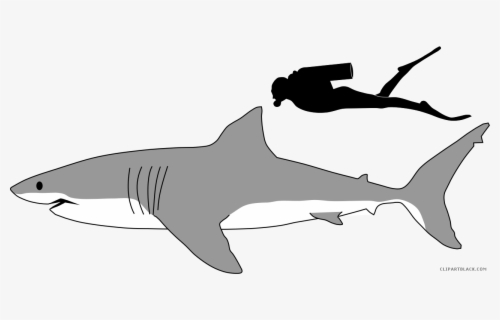
The great white shark is the largest predatory fish in the world. One of the most dominating hunters in the ocean. The average size of great whites is between 13 and 16 feet, with females generally being bigger. The largest great white recorded was 20 feet and weighed an impressive 2.5 tons.
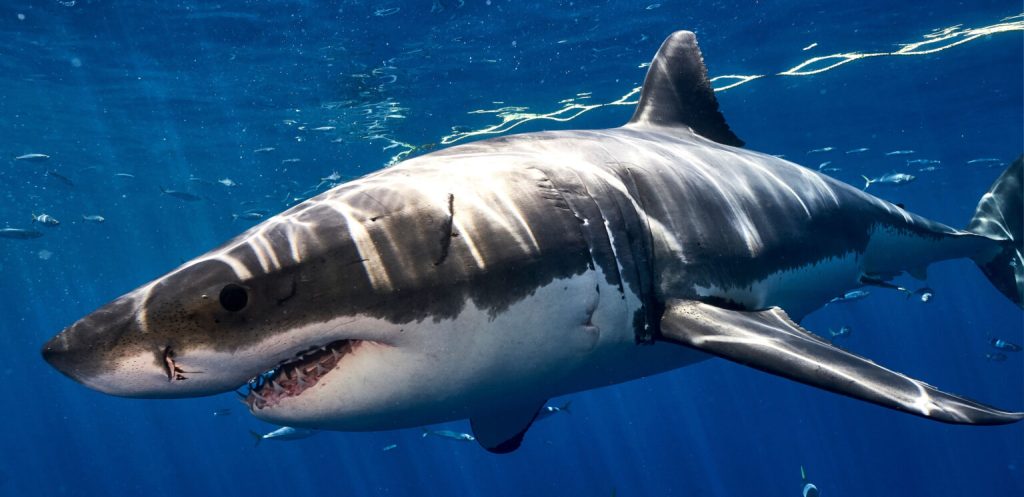
Despite being larger than most sharks, another way to identify these sharks are by their distinctive colour pattern. Their white belly acts as camouflage from below and they grey back offers a disguise from above. This impressive species also has over 300 teeth arranged in several rows.
White sharks are partially warm blooded; this allows them to hunt in colder waters unlike most other species.
Feeding & Movement
Great whites have a variety of feeding behaviours, including ambush predation, stalking, scavenging and opportunistic feeding. They are mostly recognized for their ambush predation, where they surface vertically under chosen prey, often seals or sea lions and lunge out of the water with the prey in its jaws.
Stalking is another popular strategy. The shark slowly approaches prey from distance, staying undetected. They will also scavenge on the carcases of whales and other dead animals on the ocean’s surface.
These hunting techniques are influenced by several factors such as prey availability, water temperature and seasonal migrations.
In conclusion, great white sharks have a very diverse diet and unique behaviours that ultimately makes them on of the most powerful predators.
Environment
Great whites inhabit temperate and subtropical oceans. They’ve often been spotted along coastlines, where they can access a variety of food options.
During Summer months they migrate to colder waters and once the temperature drops they return to shallow waters. This migratory behaviour maximises access to feed through all months.
Endangerment Level
White sharks are listed as critically endangered by the IUCN Red List of Threatened Species as they face factors such as:
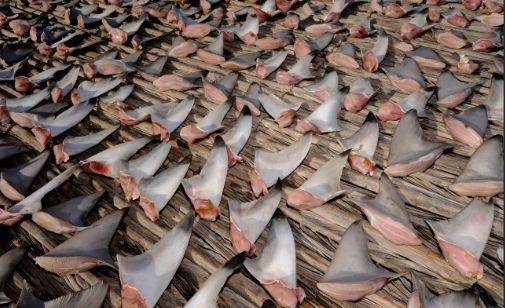
Overfishing: white sharks are targeted for their fins, meet and body parts, despite targeted fishing is illegal in many regions, illegal fishing and black markets are kept in business.
Climate change: when temperatures change in the ocean, it disrupts the distribution of prey, this causes white sharks to spend excessive energy being used which results in reproduction decrease.
Ecological role: great whites have a crucial role in maintaining a balance in marine ecosystems. Due to their drop in numbers, prey is starting to overpopulate the oceans.