Whale Shark (Rhincodon typus)
Characteristics
The whale shark is the largest fish in the ocean. average adults range between 5 to 10 meters long. The largest recorded of the species measured just under 19 meters long, larger than an average school bus and weighed an amazing 34 tons.
They have a very long lifespan and can life between 70 to 100 years old.
The white spotted pattern helps them to blend in from above as light hits the ocean’s surface. they also have white bellies which also act as a camouflage from critters below them.
Feeding & Movement
Despite their size, these creatures are filter feeders which mean they feed on small krill, plankton, fish eggs and small schools of fish such as sardines and anchovies.
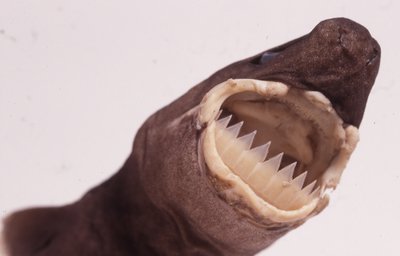
Whale sharks have thousands of tiny teeth arranged in over 300 rows of their mouth. although they have this many teeth, they don’t use them for chewing or feeding. They act as a filter for plankton and other small organisms to get caught in. Due to them being filter feeders, they are harmless to humans.
These fish are very slow, calm creatures and usually swim under 5 kilometres per hour to conserve energy. unlike most shark species, whale sharks use the back two-thirds of their body to move, much like. Most other sharks primarily just use their tail.
During daylight hours, Whale sharks will feed closer to the surface and at night, they dive into the deep. This is a behaviour known as “vertical oscillation”.
Environment
Whale sharks inhabit warm, tropical and subtropical waters around the world. They can be found in both shallow and deep coastal areas a well as coral reefs. Since they are migratory filter feeders, they favour waters above 21 degrees Celsius. These waters supply large amounts of rich plankton for them to feed on.
These animals are very sensitive to pollution and other marine debris as they can ingest it when feeding so being in clean waters is crucial for their survival and overall wellbeing.
Endangerment Level
Unfortunately, whale sharks face many threats to their environment due to a number of factors. Due climate change, human arrogance and abuse on marine life, whale sharks have been heavily effected and the IUCN Red List. consider them to be endangered.
Some of the major threats they face are :
Overfishing: they are targeted for their meet and fins
Vessel Strikes: Due to their curious nature, these sharks can collide with ships and sometimes sliced by propellers.
Bycatch: Whale sharks can often get entangled in fishing gear and shark nets.
Climate Change: This effects their food as the change in temperature causes them to migrate, often leading them to unprotected waters.
These beautiful sharks are very vulnerable due to them being slow moving and having a slow reproduction rate and as humans we should make an effort to protect them.